Essays & Commentary

Articles

Pieces from ELFrederick on the craft, theology, and moral architecture behind Vampires of Tucson. The worldbuilding sources, the genre questions, the reason the books are about the children they are about. Not chapters. The thinking underneath the chapters.

The Survival Narratives

The Survival Narratives

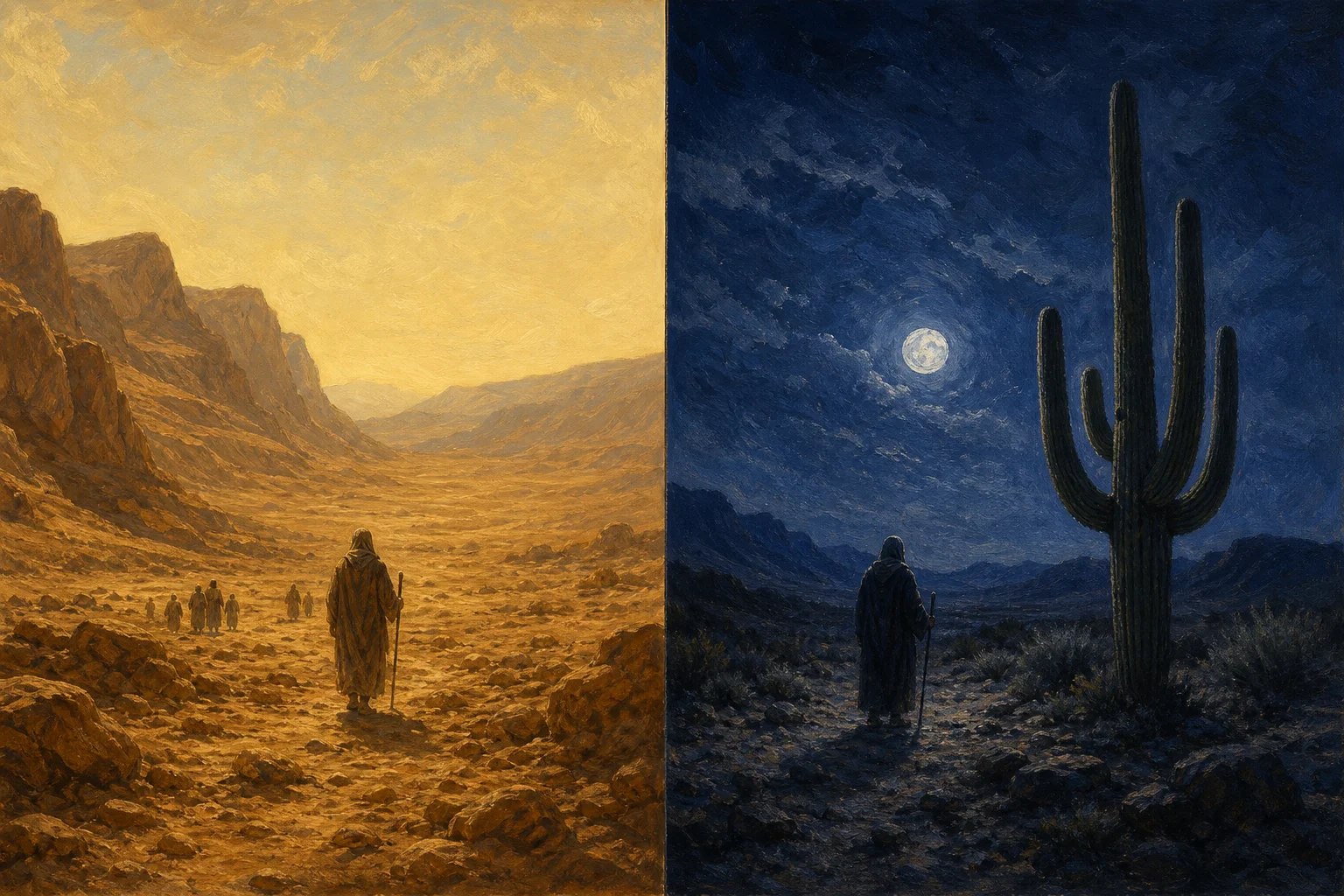
Vampires don't have the framework that would explain them. The pre-exilic texts were buried fourteen centuries before any of them woke up needing the map, so they built eight load-bearing survival narratives to fill the vacuum. None is true. The actual theology operates on them anyway. The author has the framework, the character doesn't, and that gap is the engine of every scene.

Read →
Sonoran Gothic: How I Define My Genre

Sonoran Gothic: How I Define My Genre

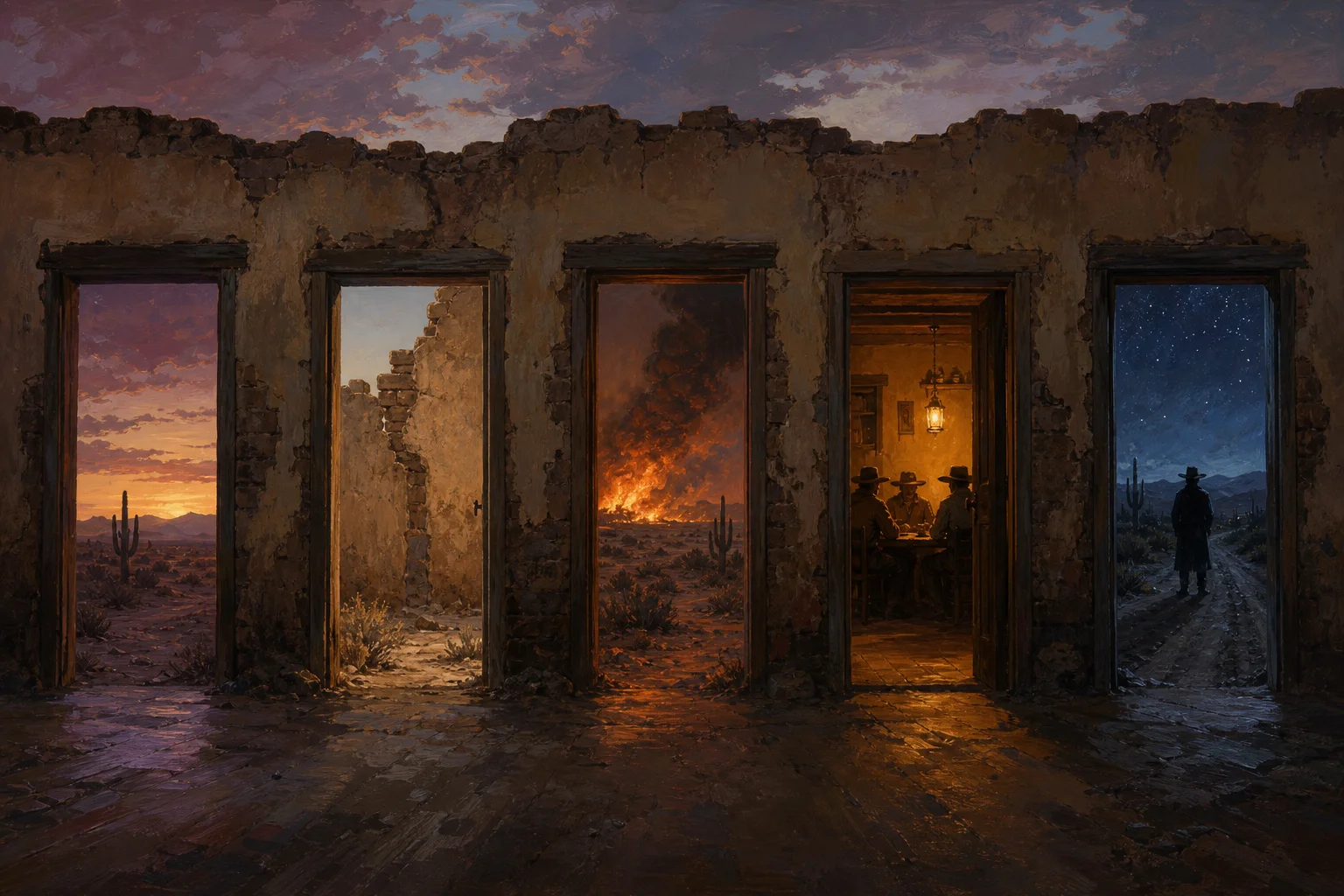
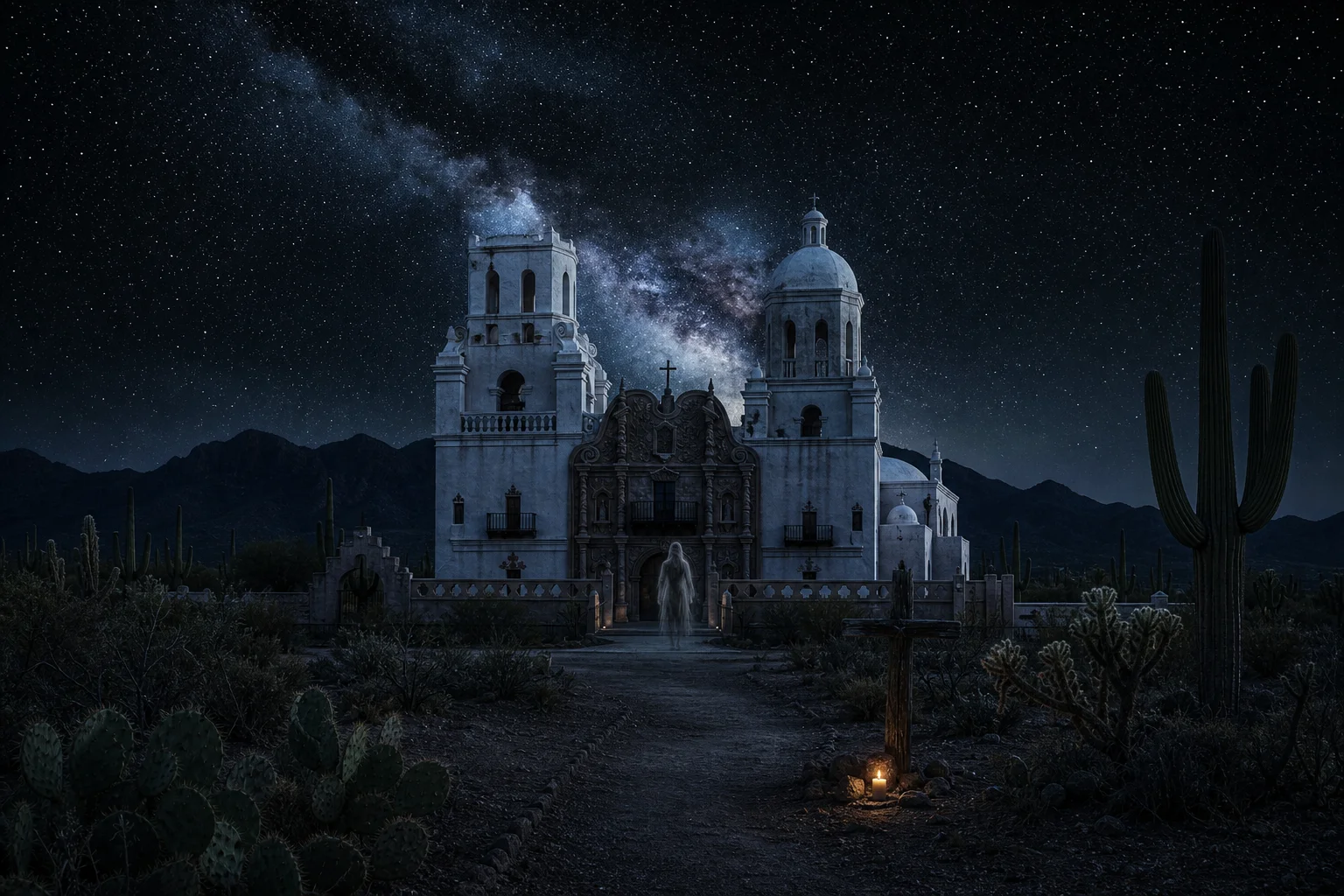
Southwestern Gothic is the parent. Sonoran Gothic is the sub-subgenre I write in, defined by eleven necessary conditions — the Sonoran proper, Catholic and multi-tradition substrate, the borderland moral architecture, damnation without dismissal of grace, trauma as architecture, supernatural that is not engineered. Vampires of Tucson is the body of work demonstrating it. Here is where I plant my flag.

Read →
Room Temperature Bodies Are Not Sexy

Room Temperature Bodies Are Not Sexy

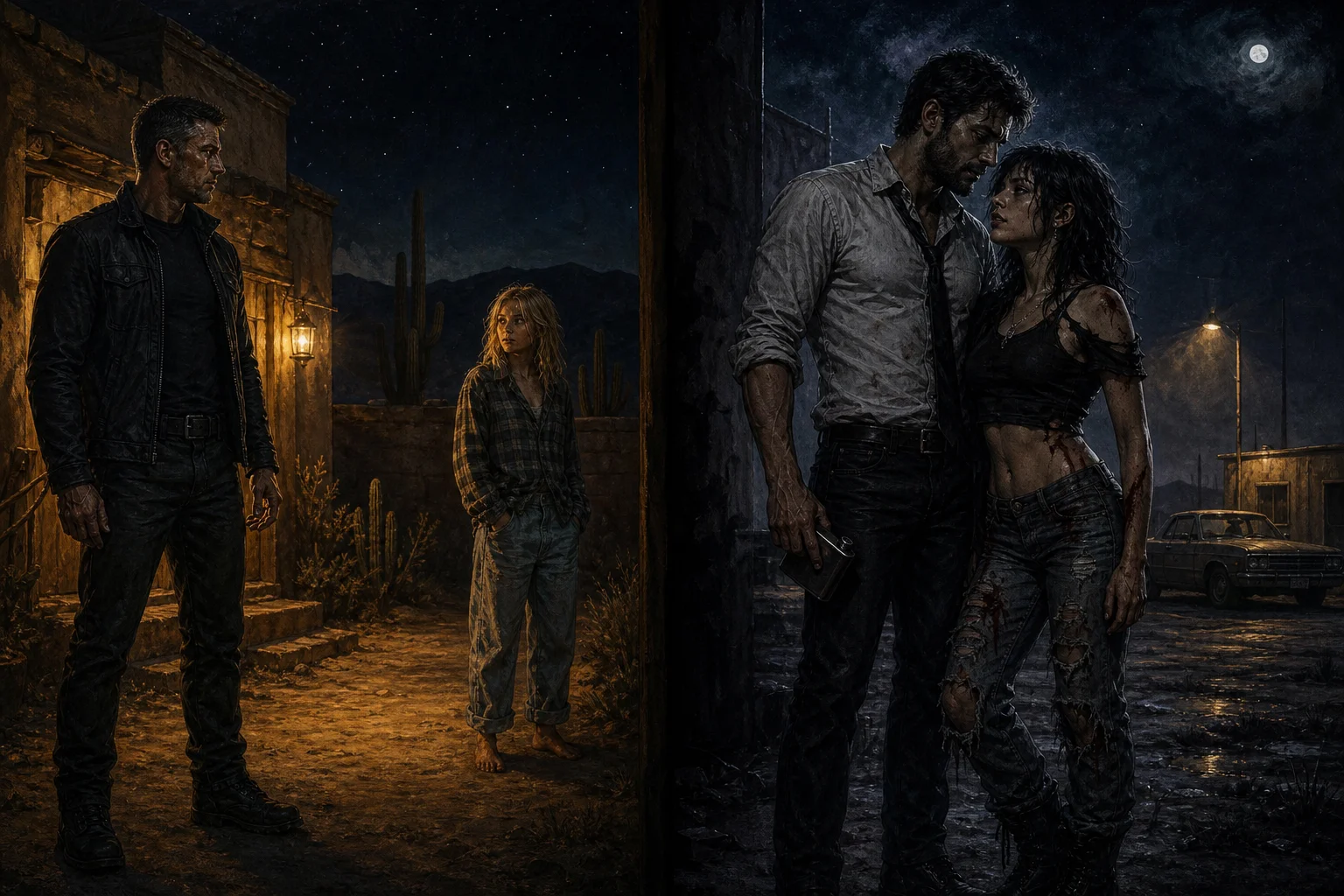
Human/vampire romance does not work. The biology, the lifespan, the predator/prey dynamic, the contract no honest vampire could offer — the asymmetries do not resolve. The only honest version of vampire romance is two of them in a room together, across centuries, with everything they cannot say.

Read →
The Five Modes

The Five Modes, or What You Do With Your Excommunication Is the Real Character Reveal

When the community that defined you cuts you out, five orientations are available — sever, return, destroy, build parallel, or serve from outside. Which one you land in is the most revealing thing about you. The Barons of Tucson as case studies in every mode the species permits.

Read →
What the Desert Does With Children Nobody Is Looking For

What the Desert Does With Children Nobody Is Looking For

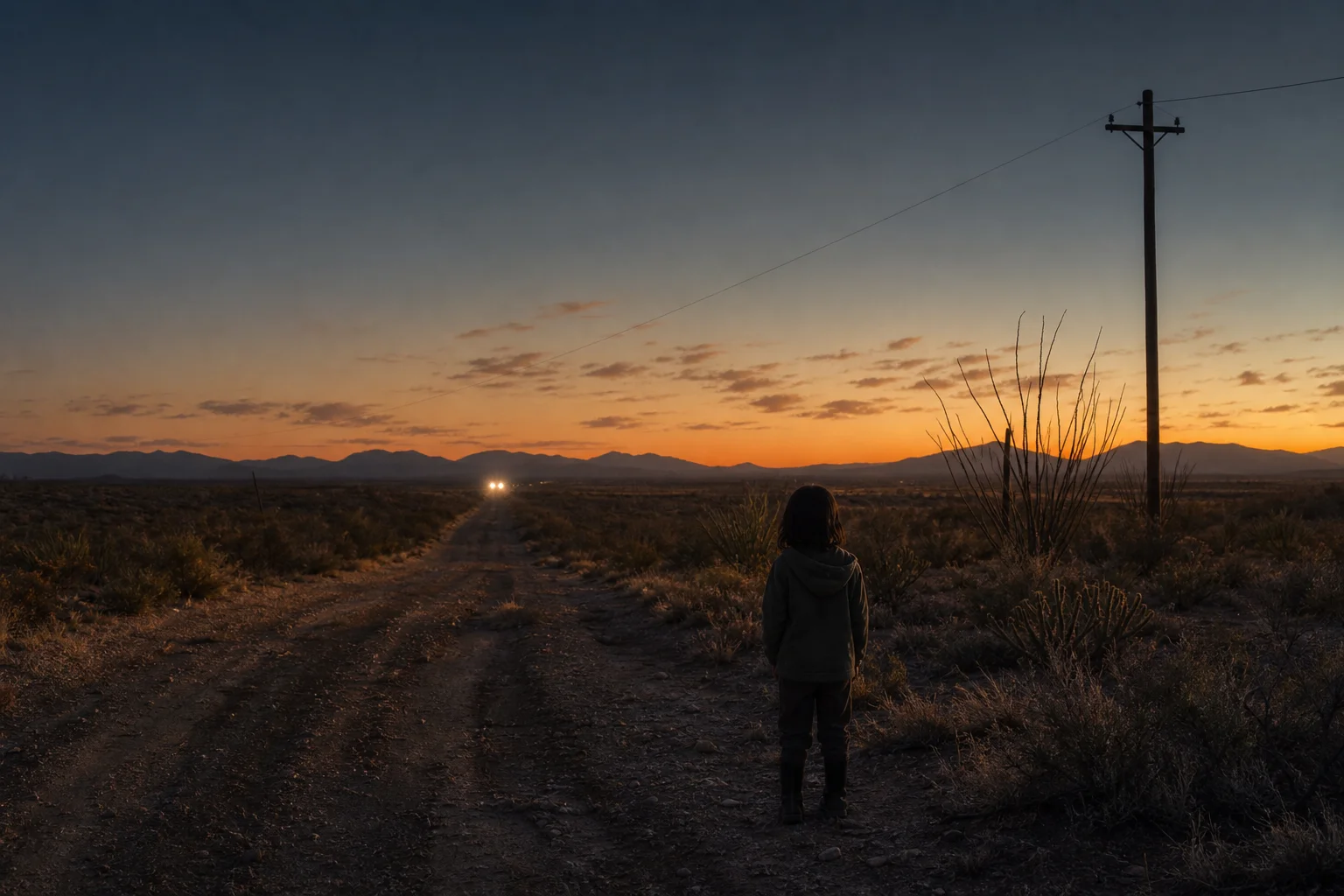
Horror fiction can witness what journalism stopped asking. The specific weight of a specific child a specific coterie picked because no one was looking. That capacity — witness, not consumption — is the formal job vampire fiction can do that the headline count cannot.

Read →
Worldbuilding Vampires with the Apocrypha

Worldbuilding Vampires with the Apocrypha

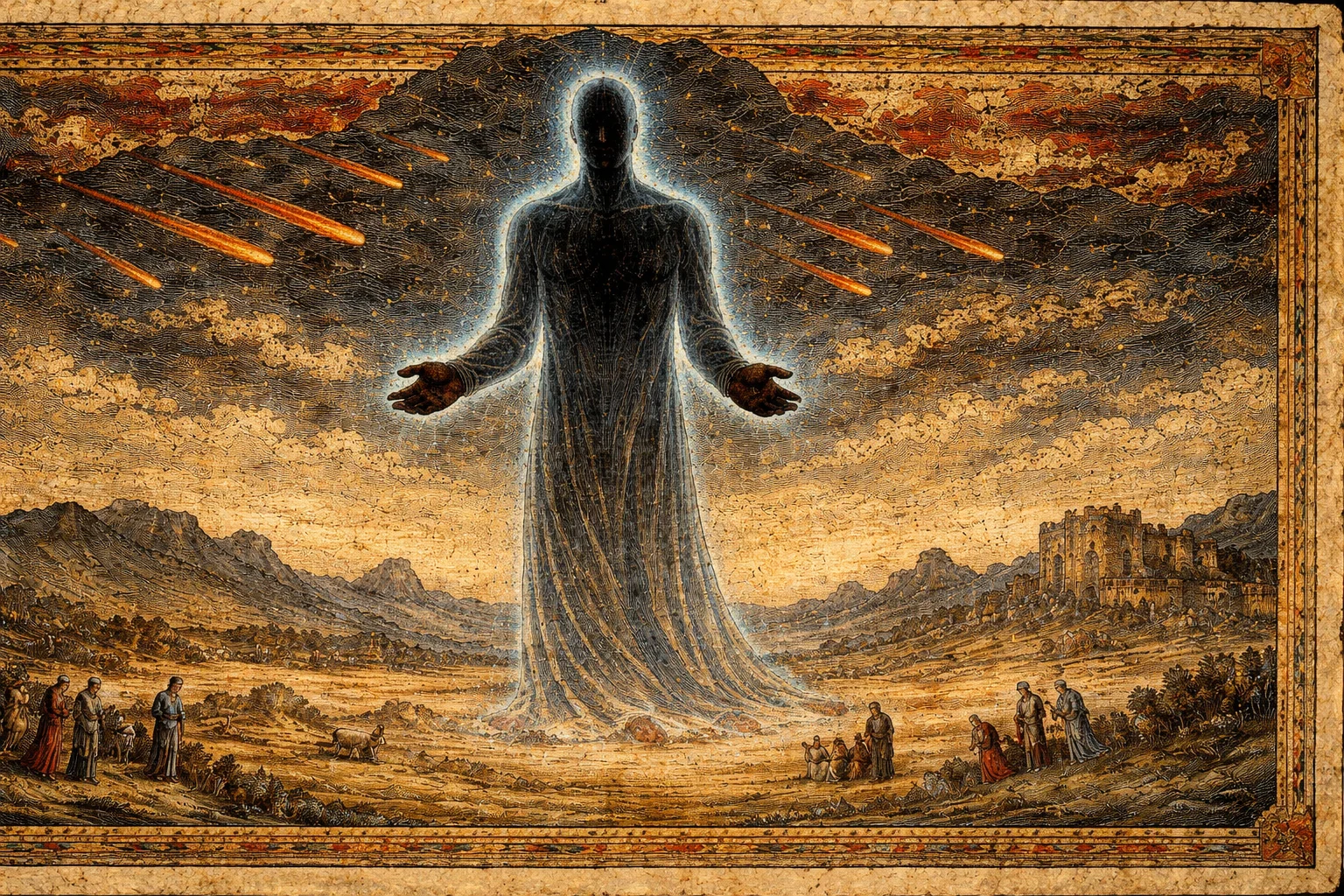
1 Enoch, Jubilees, the Testament literature. The actual ancient theology of fallen angels, Watchers, and demonic persistence the contemporaries of Cain wrote about. Modern vampire fiction gestures at this material; the apocrypha lets you build a mythology that holds.

Read →
Vampires: Victorian Necrophilia

Vampires: Victorian Necrophilia, or the Sentence I Never Finished

Arousal is a cardiovascular event, not a mood — and nothing about a vampire's “supernatural animation” restores the specific nervous-system wiring that makes it possible. The label was never an insult. It was the diagnosis.

Read →
Blood Was Never Biological

Blood Was Never Biological, or The Oldest Accounting on Record

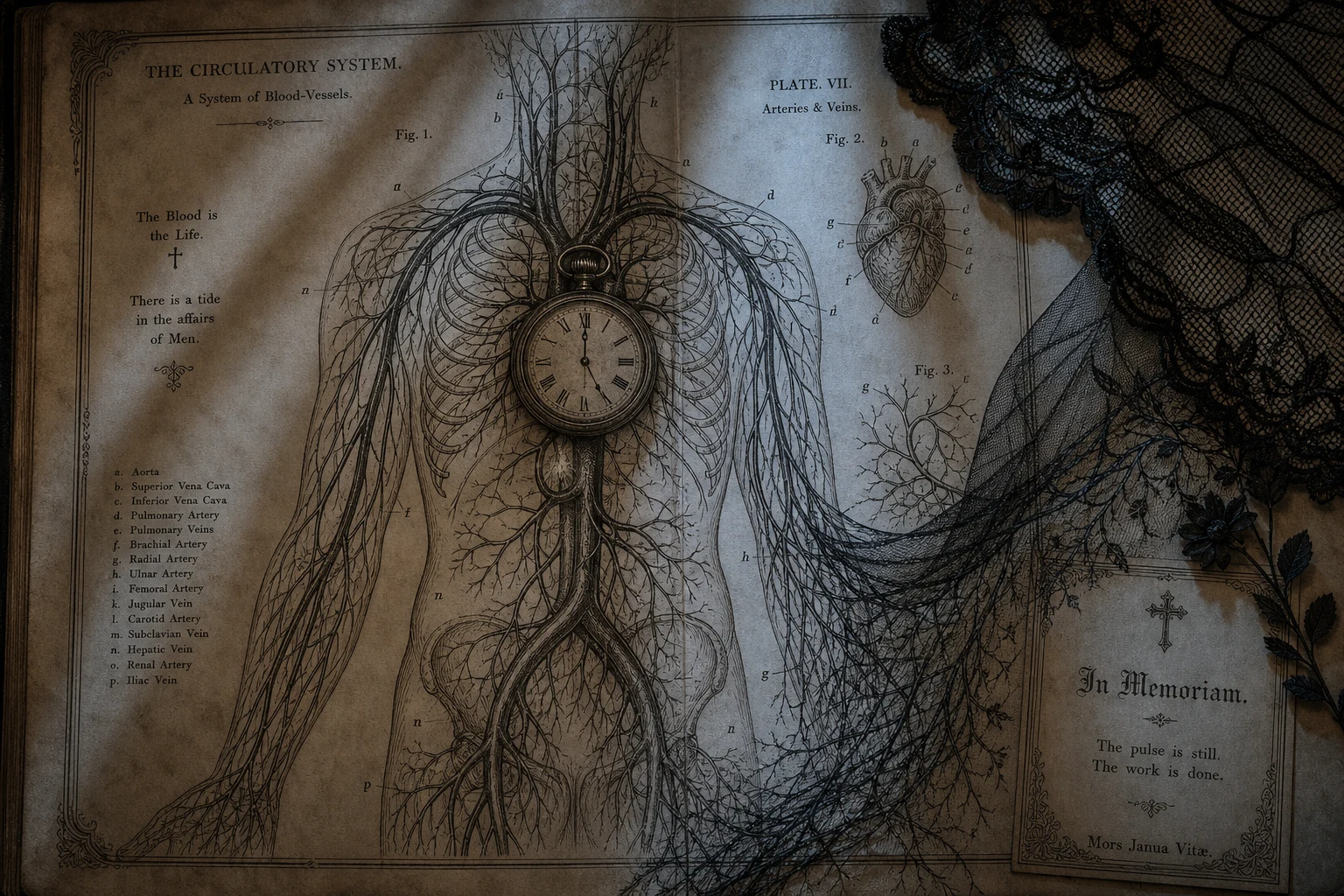
Across a dozen unconnected traditions, blood was never treated as food — it was treated as power, in a form you could move. My vampires rebuilt that four-thousand-year-old accounting system from scratch without meaning to.

Read →
Behold My Field of Fucks Is Barren

Behold My Field of Fucks Is Barren

A writer owes readers the work, delivered at quality, and nothing else — not a debate, not a seat in the comments, not deference to institutions that have already chosen sides over craft. The case for blocking without apology.

Read →
What No Human Thought Implies

What “No Human Thought” Implies

The accusation pictures one lazy prompt and a hit of enter. The reality is a documented multi-stage process — prep work, a drafting self-check, and an independent pass that can and does come back rejected — that the accusation never bothers to look at.

Read →
I Decide What Ships

I Decide What Ships, or What the AI Scanner Can’t Measure

Substack built a tool that reads the words. It can’t read whose name is on them, or who actually decided the piece was good enough to publish — the one seat in the room no model and no scanner can occupy.

Read →